Driving the Legendary Going-to-the-Sun Road Montana
There are few drives that stay with you long after the road ends, and Going-to-the-Sun Road Montana is one of them. This iconic route cuts straight through the heart of Glacier National Park, offering towering peaks, dramatic drop-offs, and quiet moments that seem to slow time. It’s the kind of drive that invites you to roll the windows down, breathe deeper, and truly be present with the people beside you.
As a Jackson Hole native and destination hybrid photographer. I’ve returned to this road again and again over the years, and each drive feels different from the last. Light shifts quickly here. Weather rolls in without warning. And the scenery has a way of asking you to be present rather than productive. That rhythm is what makes this route so compelling. It isn’t meant to be rushed or checked off a list.
In this guide, I’m sharing what makes Going-to-the-Sun Road so unforgettable, along with thoughtful guidance on when to go, where to stop, and how to experience it with intention. Whether you’re planning a family trip, weaving it into a longer mountain itinerary, or simply craving a scenic journey that feels both grounding and awe-inspiring, this drive offers something rare: a sense of connection that lingers long after you’ve left the park.
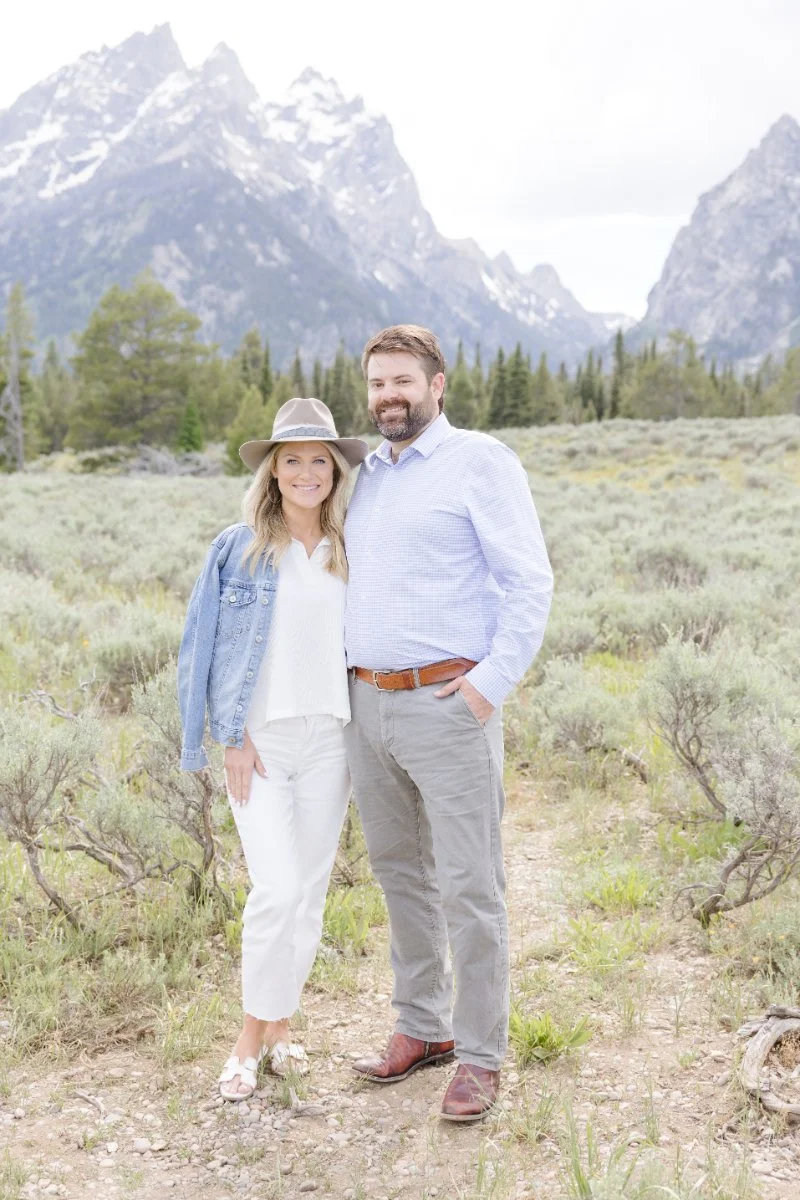
Why This Drive Is One of the Most Scenic in the U.S.
There’s something about this drive that lingers with you. It isn’t just beautiful, it feels intentional. From the moment the road begins to climb, the landscape unfolds in a way that feels cinematic and deeply immersive.
What makes Going-to-the-Sun Road Montana so compelling is that it was designed to move you through the scenery, not rush you past it. The pace is steady. The curves are thoughtful. Each turn offers something different, encouraging you to slow down and notice what’s changing around you. It’s a drive that rewards patience and presence.
Several elements work together to make it unforgettable:
The constant transition from dense forest to exposed mountain passes
A sense of closeness to nature, where waterfalls, cliffs, and wildlife feel just within reach
Frequent pullouts that invite you to pause without disrupting the journey
A shared rhythm, where everyone in the car is tuned into the same light, movement, and views
Because the road runs directly through Glacier National Park, the scenery feels immediate and untouched. Peaks rise sharply on either side, weather shifts without warning, and the scale of the landscape makes everything else feel smaller. That rawness is part of its emotional pull. You aren’t just observing the park, you’re moving through it, moment by moment.
This is the kind of place that doesn’t ask for a checklist. It asks for attention. And that’s exactly why it leaves such a lasting impression, especially at the overlooks along the route.
The Best Stops and Overlooks Along the Route
Driving Going-to-the-Sun Road Montana offers a rare balance of scale and intimacy. The views are undeniably grand, yet many of the most memorable moments happen in quieter pauses when stepping out of the car, feeling the temperature shift, or watching the light move across the peaks. These stops stand out not because they demand attention, but because they reward it.
1. Logan Pass
Logan Pass sits high along the Continental Divide and feels expansive in every direction. Alpine terrain stretches outward, and the air is noticeably cooler and thinner. It’s a place that feels energizing and bold, especially for those who enjoy standing fully within the landscape rather than simply observing it.
2. St. Mary Lake
St. Mary Lake offers a gentler contrast to the more dramatic stretches of the drive. The water is calm, the shoreline wide, and the surrounding peaks feel slightly more distant. It’s an ideal place to slow down, linger, and take in the quiet, particularly when the lake reflects changing skies.
3. Lake McDonald
On the west side of Glacier National Park, Lake McDonald feels composed and understated. The long shoreline, smooth stones, and still water create a sense of balance and ease. It’s a natural place to pause, especially later in the day when the light softens and the crowds thin.
4. Weeping Wall
Weeping Wall adds an unexpected layer of movement to the drive. Water spills directly down the rock face, often changing with the season and recent weather. It’s brief, dramatic, and easy to miss if you’re rushing, a reminder that some of the most striking moments here are fleeting.
5. Hidden Lake Overlook
A short walk leads to Hidden Lake Overlook, where the landscape opens up in a way that feels both sweeping and personal. The elevation, the stillness, and the layered mountain views create a sense of quiet awe without requiring a long hike or heavy commitment.
While each stop is beautiful in its own way, the experience is shaped just as much by light, weather, and timing as by location. Knowing when to pause and when to keep moving makes all the difference, which is why understanding the best time to visit is just as important as knowing where to stop.
When to Visit for Ideal Weather and Lighting
Timing shapes the experience just as much as the route itself. Along Going-to-the-Sun Road Montana, access, weather, and light all influence how the drive feels, whether it unfolds slowly and effortlessly or requires patience and flexibility. Each season offers something distinct, and choosing the right window can make the journey feel far more intentional.
Spring
Spring arrives gradually in Glacier, and with it comes unpredictability. Snow often lingers at higher elevations, and access is limited well into the season. That said, there’s a quiet beauty to this time of year for those who value solitude over certainty.
What to expect:
Fewer visitors and a noticeably calmer pace
Snow-dusted peaks that feel dramatic and raw
Limited road access and frequent weather shifts
Spring is best suited for travelers who are flexible and content with seeing only portions of the route.
Summer
Summer is when Going-to-the-Sun Road is fully open and most accessible. The days are long, the scenery vibrant, and the alpine landscape at its most alive. It’s also the busiest season, which requires a bit more intention to enjoy well.
What to expect:
Full access to the road, overlooks, and trails
Lush meadows and wildflowers at their peak
Heavier traffic, especially midday
Early mornings and evenings are key during summer, offering softer light and a more relaxed experience.
Fall
Fall is often considered the most refined season to visit. The energy shifts, crowds thin, and the landscape takes on warmer tones. The air feels crisp, the skies dramatic, and the pace noticeably slower.
What to expect:
Quieter roads and fewer visitors
Muted colors and softer, directional light
Shorter days and the possibility of early snowfall
For many, fall offers the most balanced and rewarding experience.
Winter
Winter transforms Glacier into something entirely different. The park gets quiet, stark, and deeply serene. However, Going-to-the-Sun Road is largely closed during this season, limiting how much of the drive is accessible.
What to expect:
Snow-covered landscapes and stillness
Very limited access points
Challenging conditions that require preparation
Winter is less about the drive itself and more about the atmosphere surrounding it.
Choosing the right season allows the journey to unfold with ease rather than effort. When timing aligns, the drive feels less like a destination to conquer and more like an experience to settle into, a natural lead-in to slowing down even further as the journey continues beyond Glacier.
How to Extend Your Trip into the Tetons
If you’re already making the journey, extending your trip south into Grand Teton National Park feels like a natural progression. Where Glacier feels dramatic and expansive, the Tetons offer something quieter and more intimate. The pace slows. The landscape opens. And the experience becomes less about movement and more about settling in.
Many travelers find that this contrast is what makes the journey feel complete.
Where to Stay in the Tetons
Spending a night or two near the park allows you to experience it without rushing. It also gives you flexibility to move with the light, weather, and energy of the day rather than a rigid itinerary.
Amangani
Set high above the valley, Amangani offers a sense of quiet refinement that pairs beautifully with time spent in the Tetons.
Expansive views of the Tetons and Snake River Valley
Thoughtful architecture that blends into the landscape
A serene, unhurried atmosphere ideal for slowing down
Four Seasons Resort Jackson Hole
For those who prefer elevated comfort with seamless access, the Four Seasons offers a polished home base just outside the park.
Mountain-facing rooms with fireplaces and balconies
Easy access to trails, scenic drives, and park entrances
Spa and dining options that encourage lingering evenings
Each of these options offers a different version of luxury — grounded, thoughtful, and deeply connected to place.
How to Spend Your Time
The Tetons invite a gentler rhythm. Days here don’t need to be full to feel complete.
Many visitors gravitate toward:
Scenic drives with frequent pullouts and wide-open views
Easy walks or short hikes near Jenny Lake and String Lake
Unhurried mornings and early evenings when the light softens
Wildlife sightings in open meadows and along the Snake River
Quiet lakeside moments that encourage lingering rather than moving on
It’s less about seeing everything and more about being present where you are.
If you’re planning a longer itinerary that includes both regions, you may find my post Planning a Family Trip to Yellowstone and Grand Tetons helpful. It offers a broader look at how these landscapes can flow together thoughtfully, without overpacking your days.
Extending your trip into the Tetons creates space to decompress after the grandeur of Glacier — a shift in tone that allows the journey to settle before you head home, carrying a quieter, more lasting impression with you
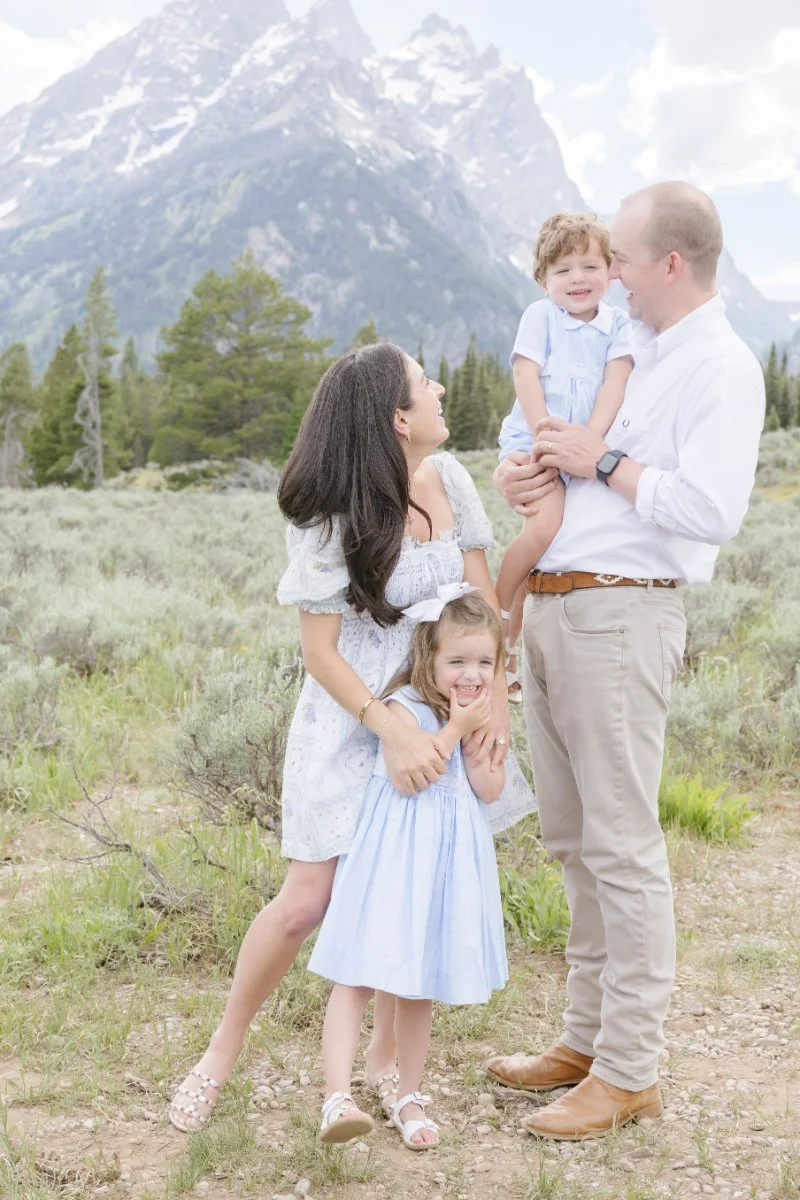
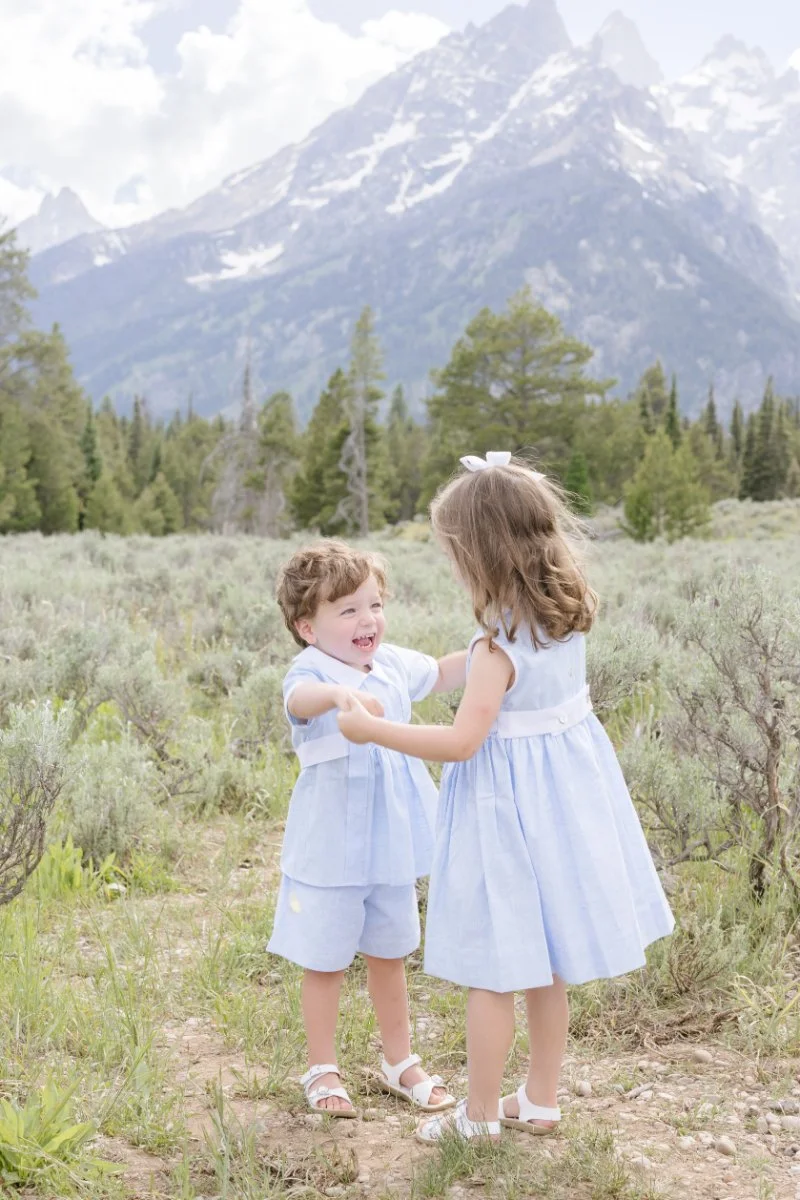
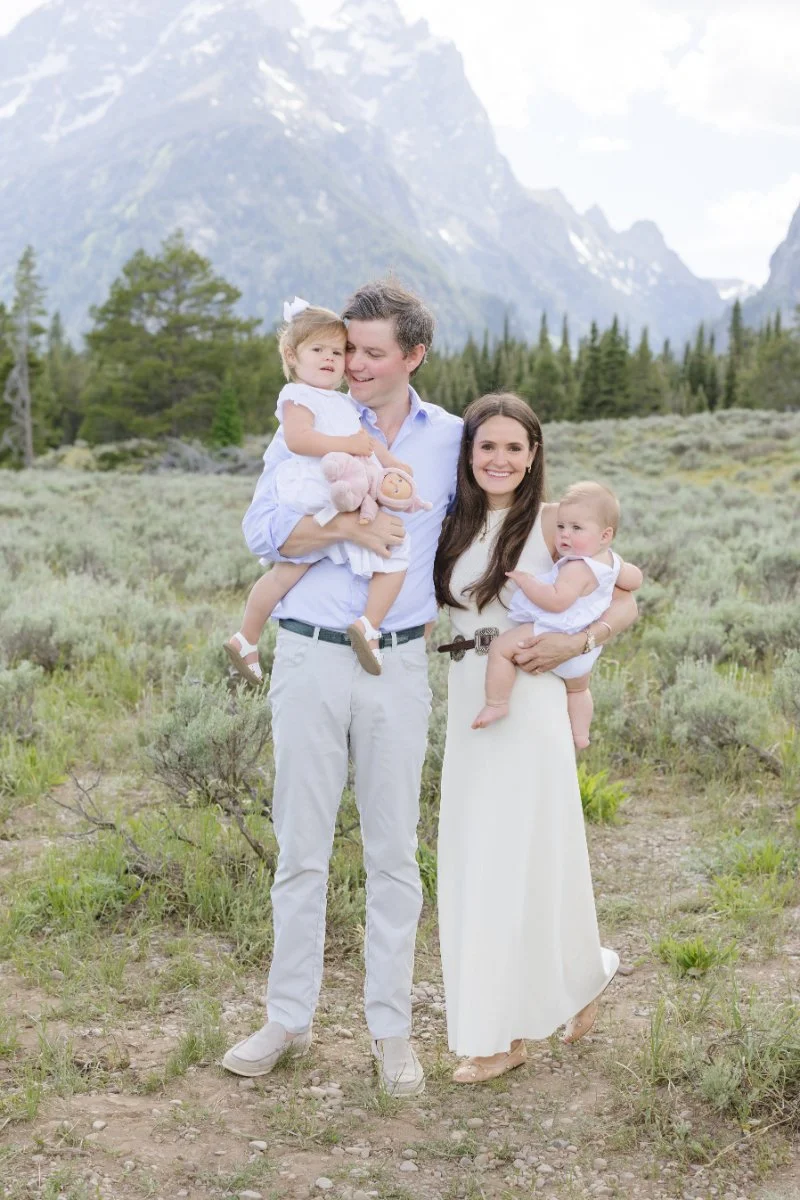
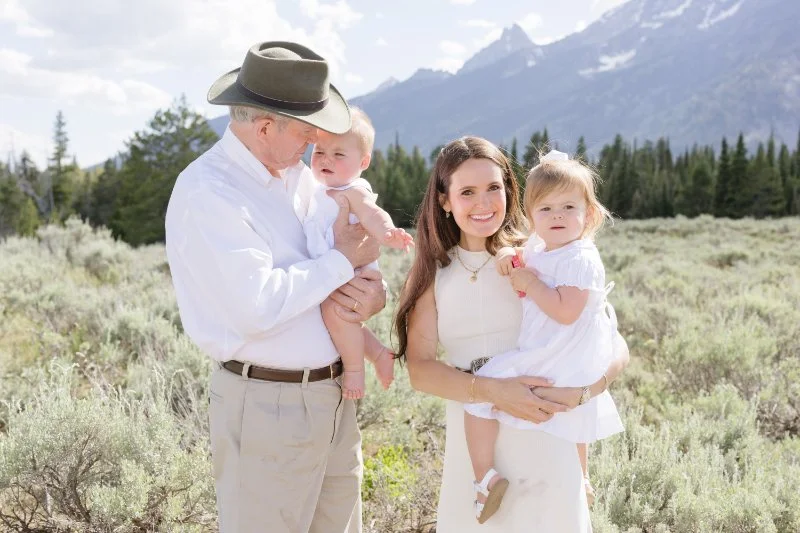
Tips for Photographing the Journey
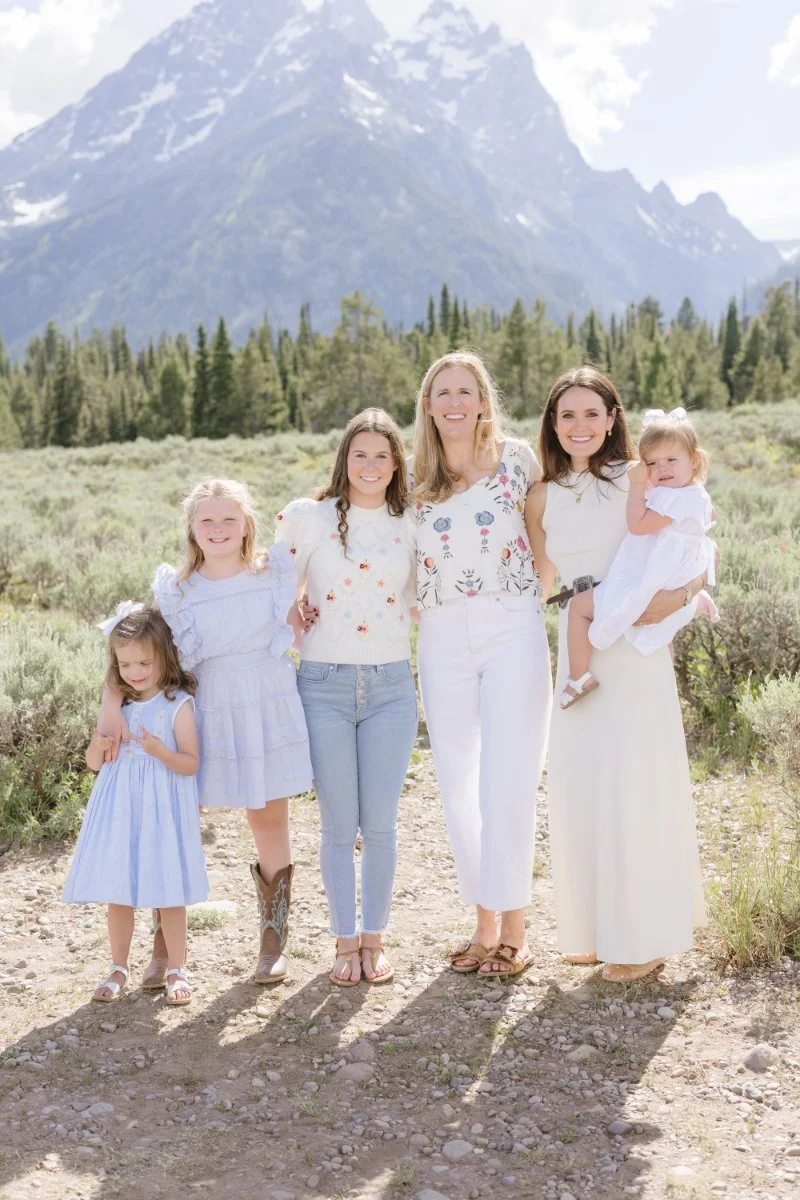
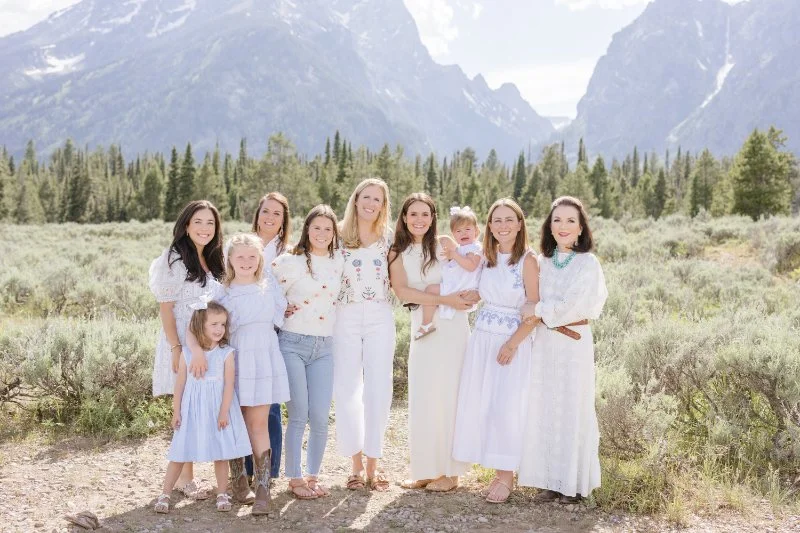
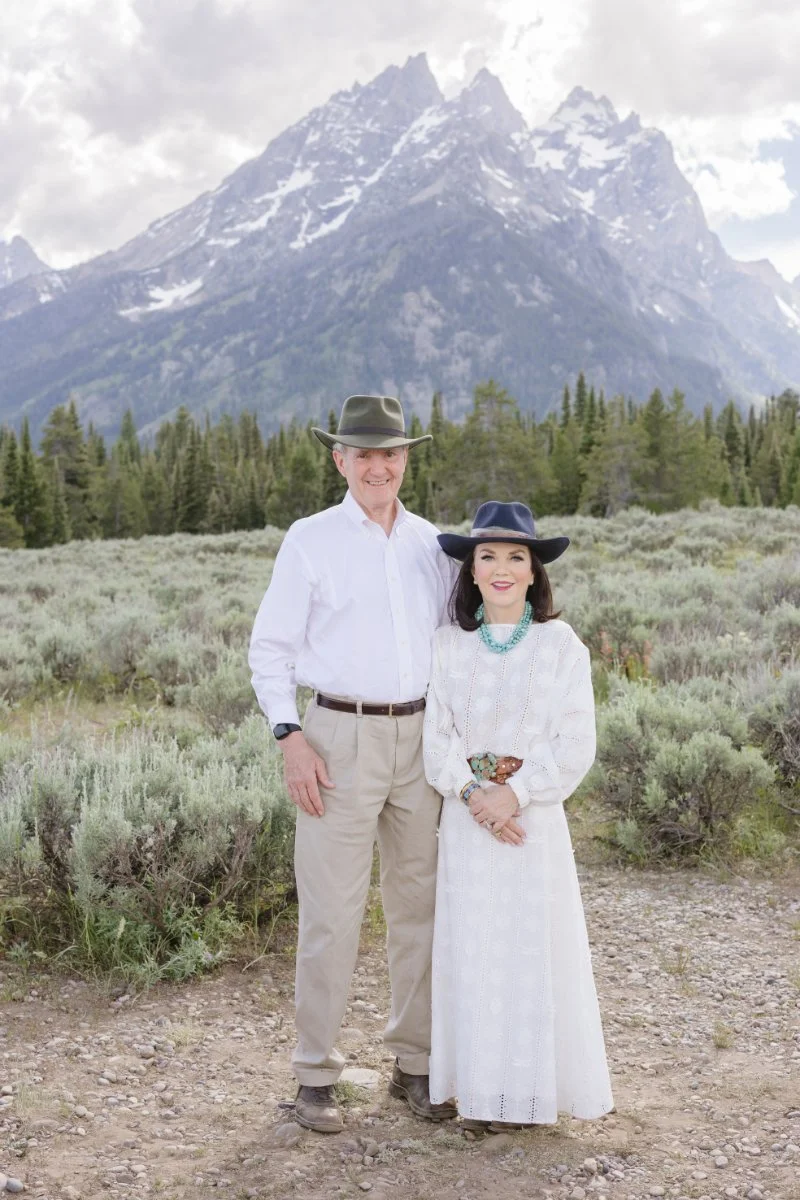
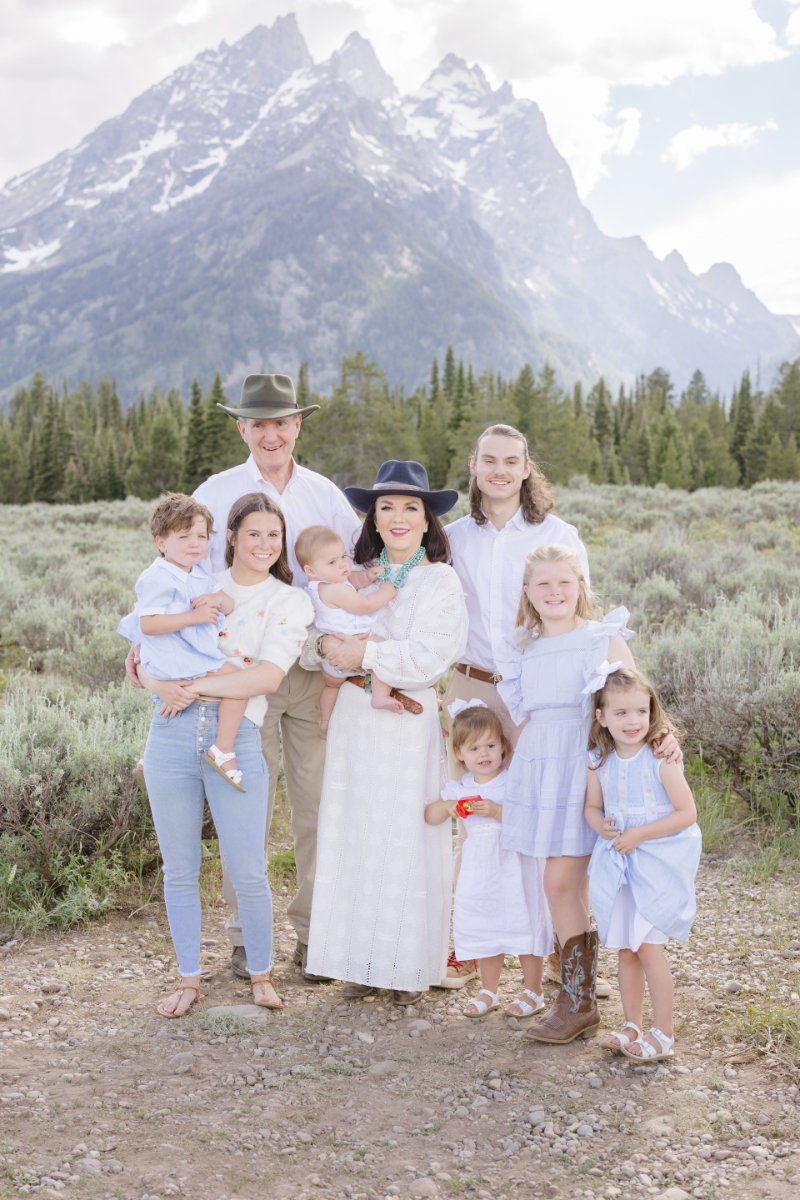
Trips like this are rarely remembered for a single landmark. They’re remembered for how the moments in between felt from the pauses and the light, to the way everyone naturally settled into the experience. Photographing a journey through Going-to-the-Sun Road Montana and the Tetons is less about chasing perfection and more about paying attention.
These tips will help you document the experience in a way that feels natural and lasting.
1. Slow down more than you think you need to
The most meaningful images rarely come from rushing between stops. Build space into your days so moments can unfold without pressure. Fewer locations often lead to better photographs and a more relaxed experience overall.
2. Plan around light, not just locations
Early mornings and evenings offer softer light and quieter surroundings. Midday is better spent driving, resting, or enjoying the scenery without expectations. Let the day breathe, then step into moments when the light naturally invites you to pause.
3. Stay close to where you’re exploring
Shorter drives give you flexibility. When you’re nearby, it’s easier to step out for a quick lakeside walk, an unexpected wildlife sighting, or a sunset moment without feeling rushed or overcommitted.
4. Focus on connection, not coordination
The most compelling images come from interaction, not instruction. Walking together, talking, and watching the scenery change are the moments that hold meaning later. Matching outfits and perfect timing matter far less than comfort and presence.
5. Be open to the unexpected
Weather shifts, clouds roll in, plans change. Some of the most memorable moments happen when you let go of control and respond to what’s happening around you. Flexibility often leads to the most honest images.
6. Know when to put the camera down
Not every moment needs to be captured. Some are better lived fully than remembered. The balance between documenting and experiencing is what allows a trip like this to feel complete.
As the journey comes to a close, many travelers find themselves wishing they had stepped into the frame more, that images were showing not just the places they visited, but how it felt to be there together. That realization often comes at the end, once everything has slowed and settled, making space to think about how this season will be remembered long after the drive is over.
Turning the Journey Into Lasting Memories
A drive like Going-to-the-Sun Road Montana is never just about getting from one place to the next. It’s about the space it creates for conversation, for quiet, and for noticing details you might otherwise miss. From Glacier’s dramatic passes to the softer rhythm of the Tetons, this journey has a way of bringing people closer, simply by slowing everything down.
When trips unfold this way, the memories tend to linger. Not because every stop was photographed or every view documented, but because the experience was intentional. You were present and let the landscape set the pace. And you allowed the moments in between to matter just as much as the destinations themselves.
For many families and couples, the only thing missing at the end of a trip like this is a set of images that reflect how it felt to be there together. Not posed or hurried, but honest, connected, and grounded in place. That’s the work I care most about, documenting real experiences in a way that feels calm, effortless, and true to the people in front of my lens.
If you’re planning a trip through Glacier, the Tetons, or Jackson Hole, and want your time together captured with the same thoughtfulness you’ve put into the journey itself, I’d love to work with you. Inquire here to start a conversation about creating images that will live far beyond this season of travel.